Avi Tal / Artist
SPINE B7.
Murals and public art.
Painted at the scale
of the places we inhabit.
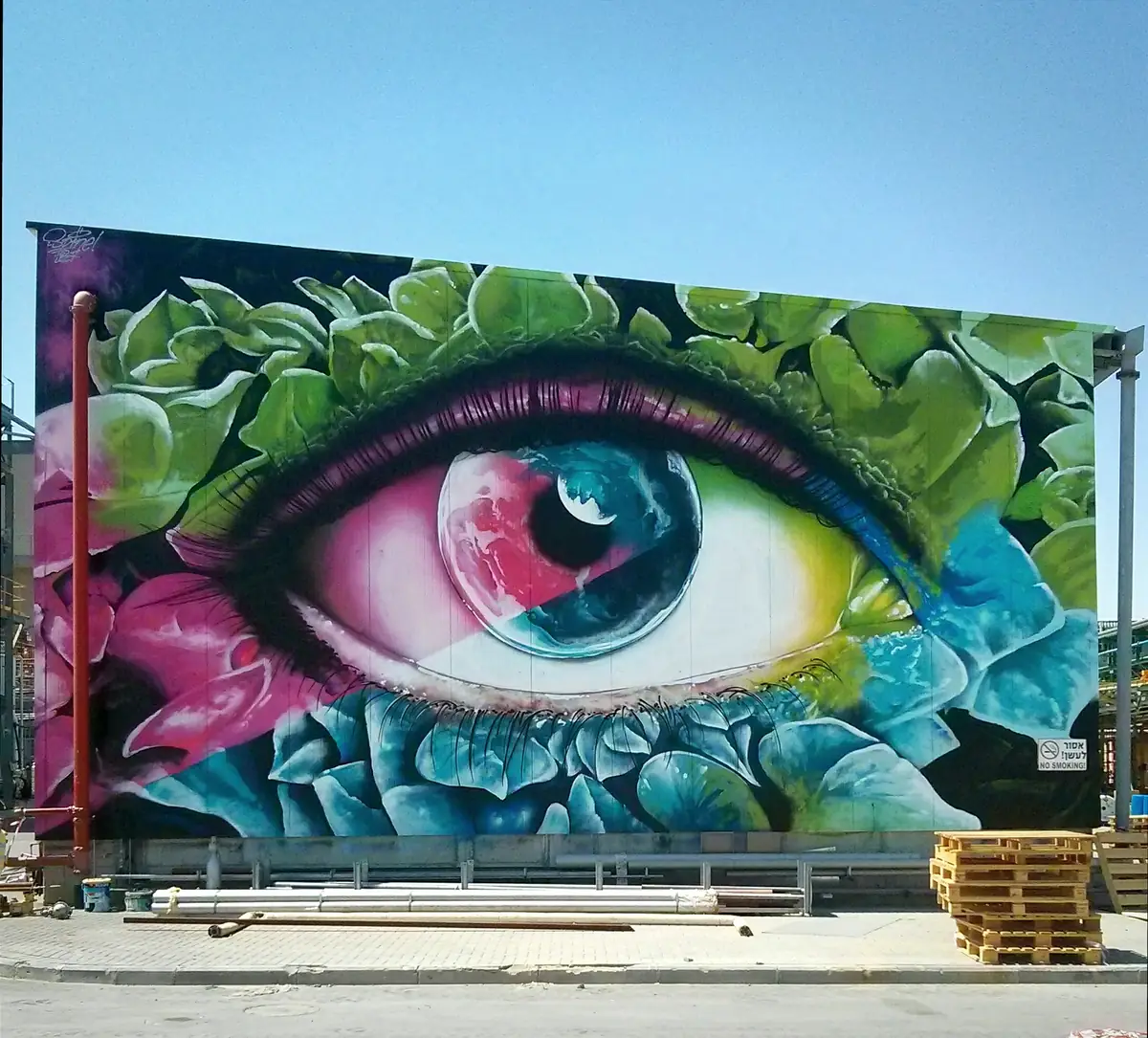 Neot Hovav
 01 / Selected work
Made for the place.
Walls, buildings, an aircraft.
Every surface asks something different.
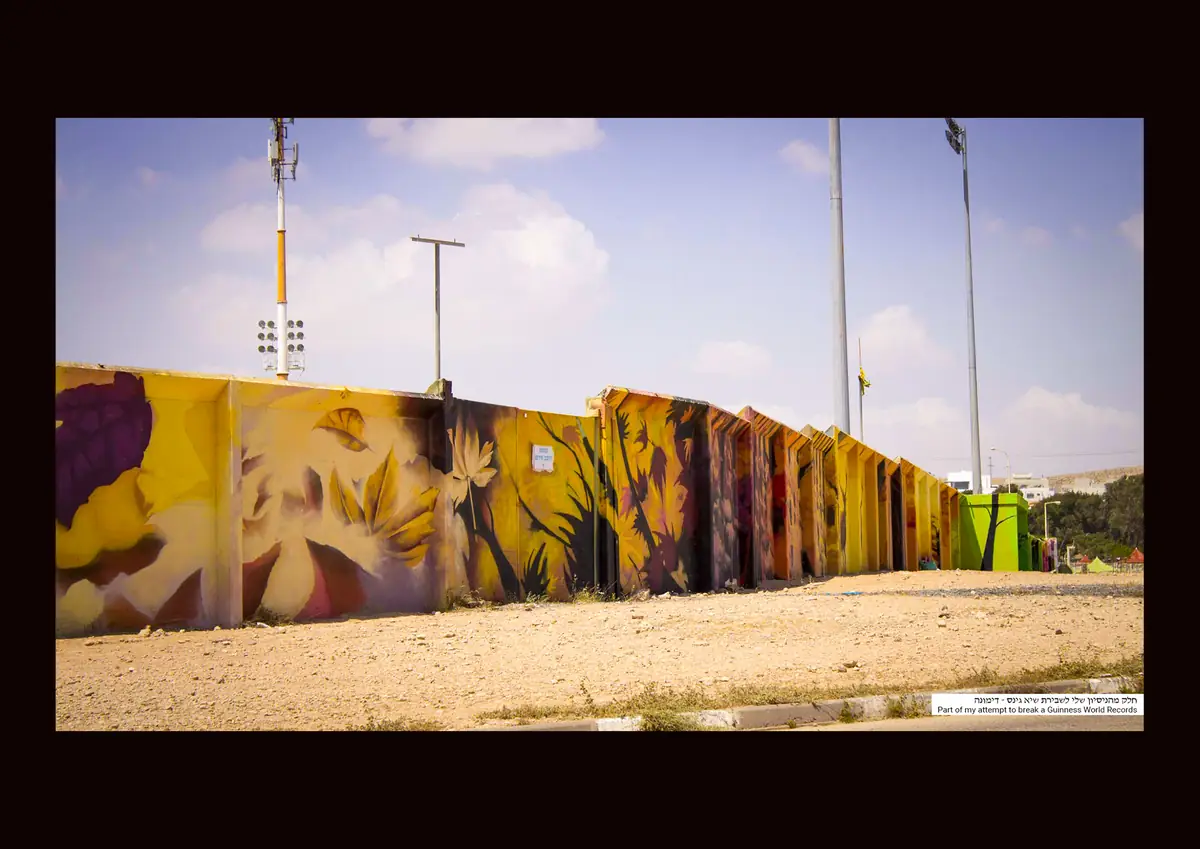
The Dimona stadium
Dimona, Israel · Guinness World Record
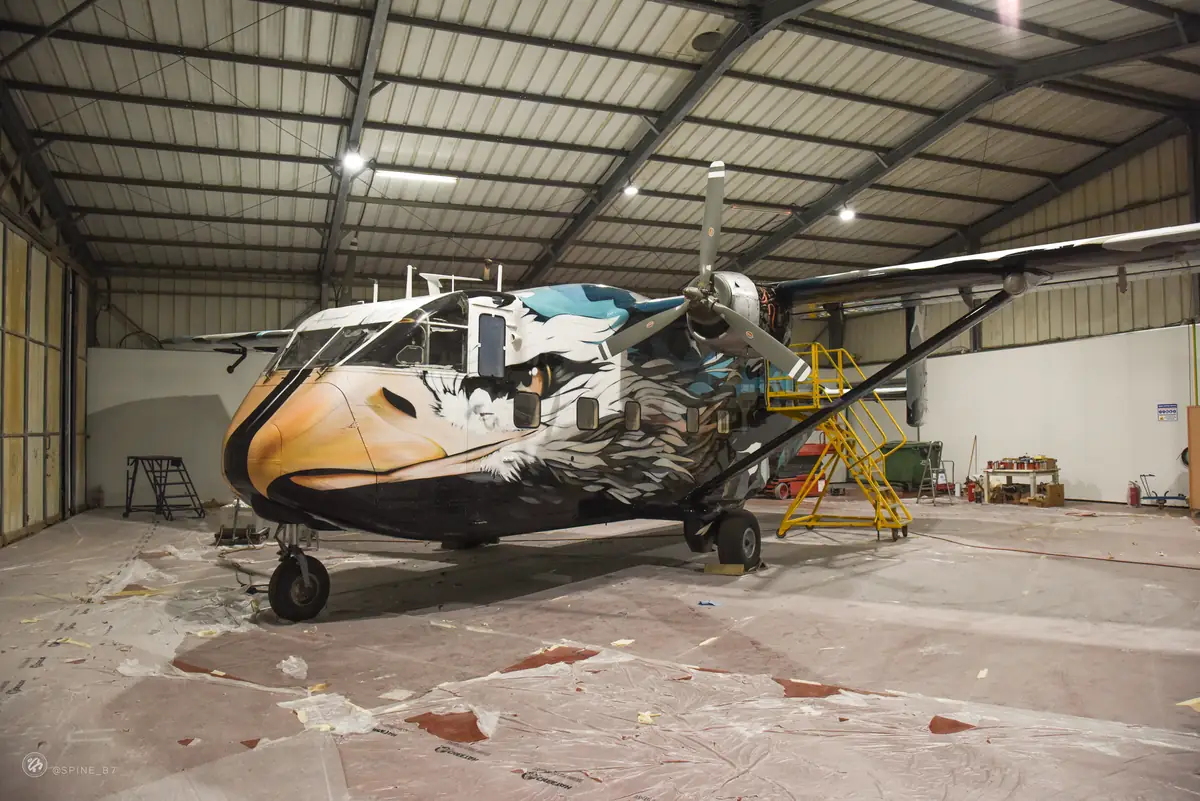
Skyvan
Israel · Aircraft
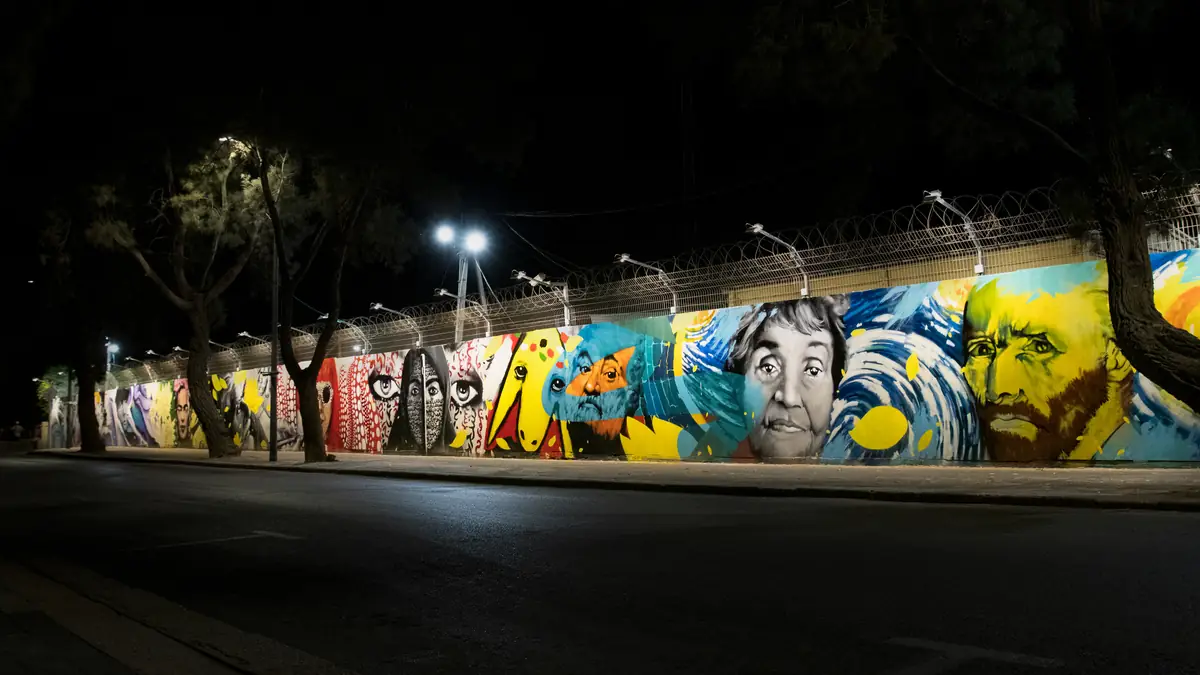
Art of Independence
Be’er Sheva, Israel · Civic mural
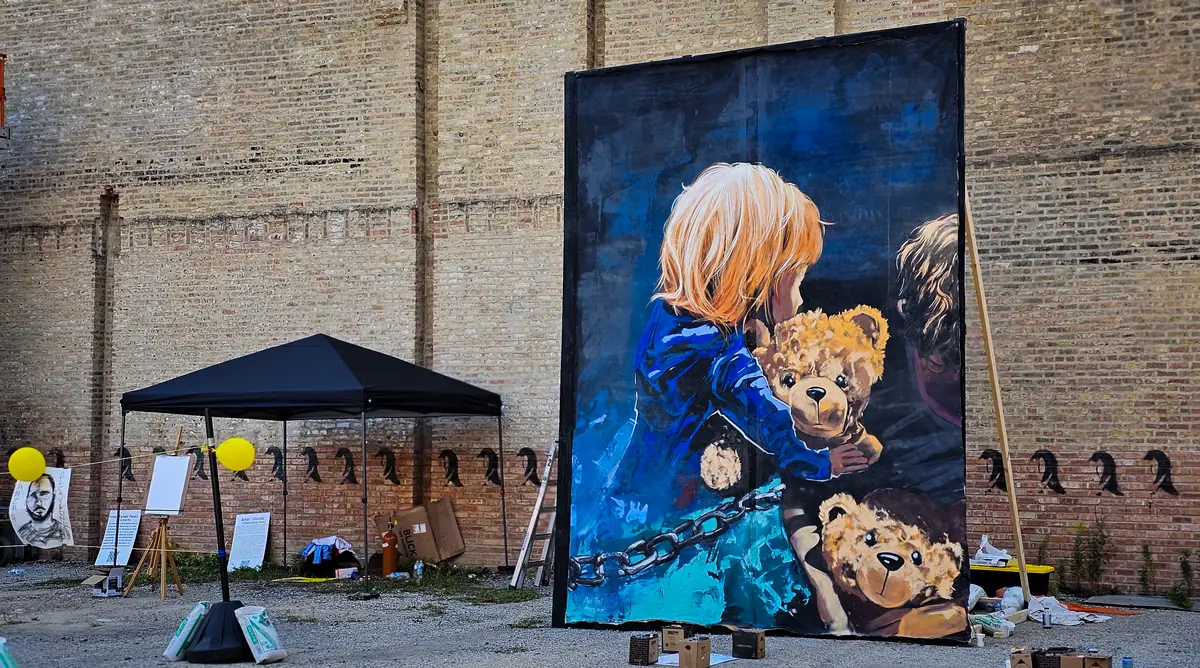
Hostage Square
Chicago, USA · Public installation
Neot Hovav
Negev, Israel · Public art
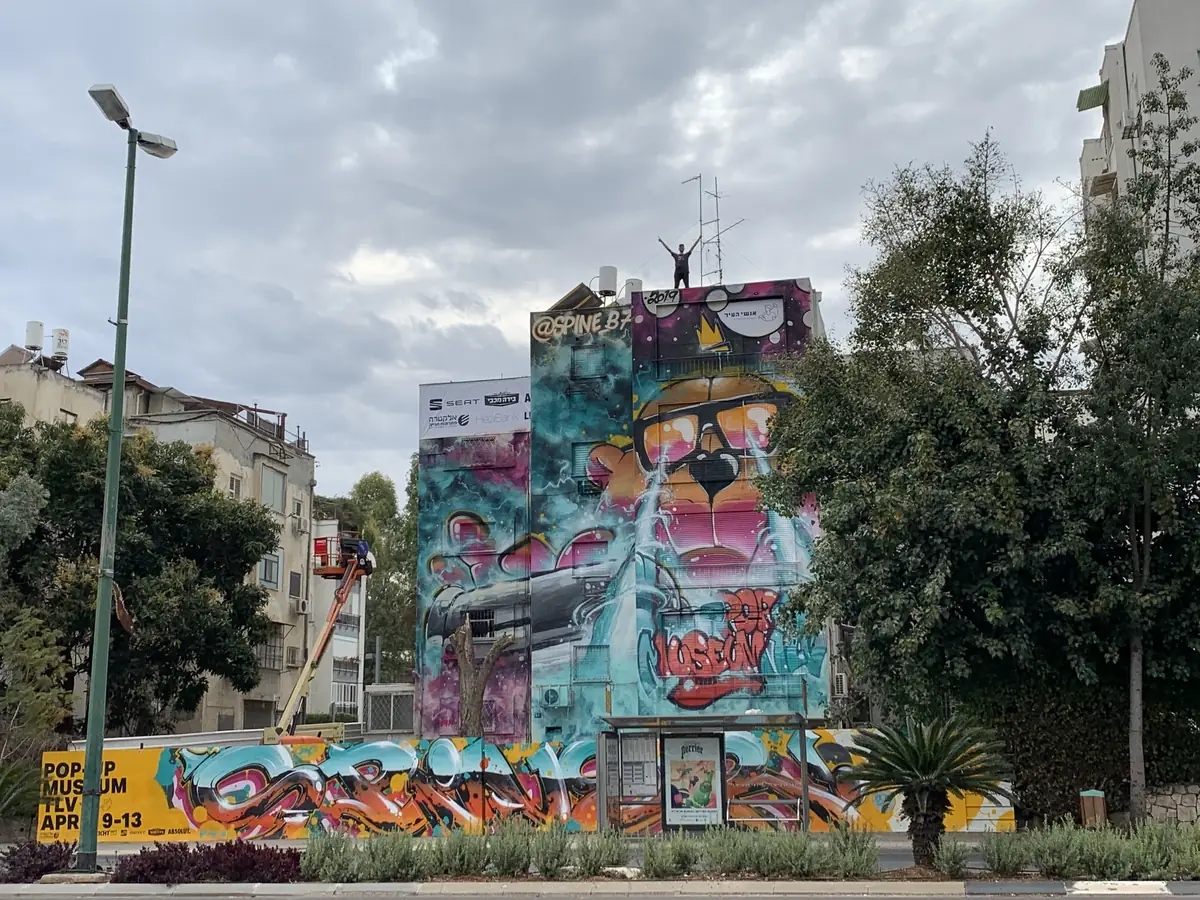
Pop-Up Museum TLV
Tel Aviv, Israel · Façade
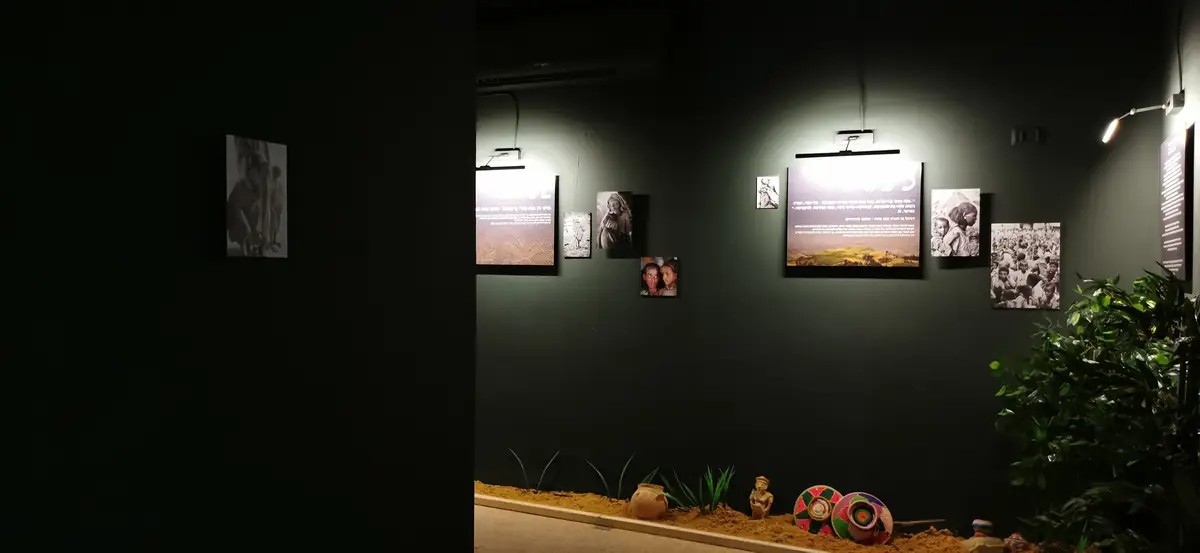
Heritage & memory
Israel · Heritage spaces
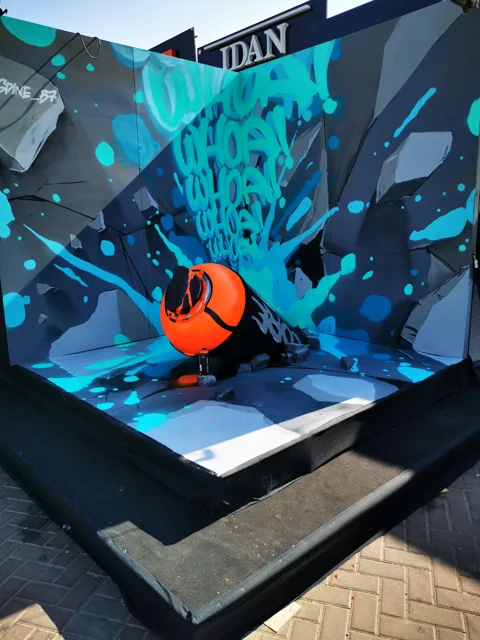
The spray-can installation
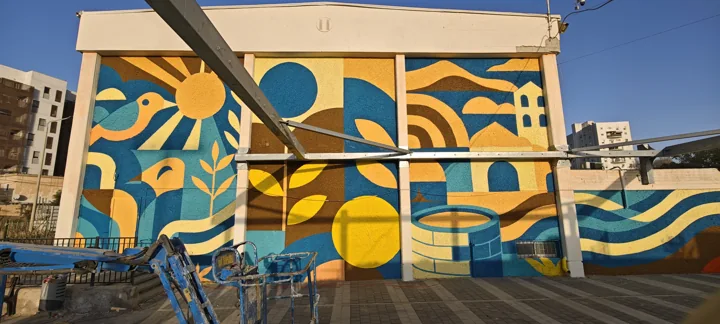
Hazon Ovadia façade
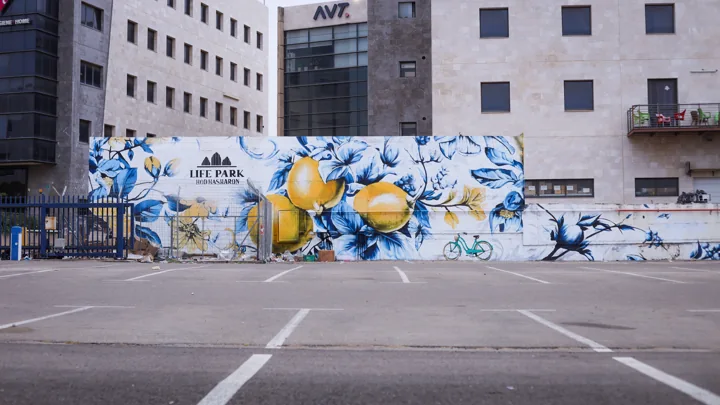
Lemons · Hod HaSharon
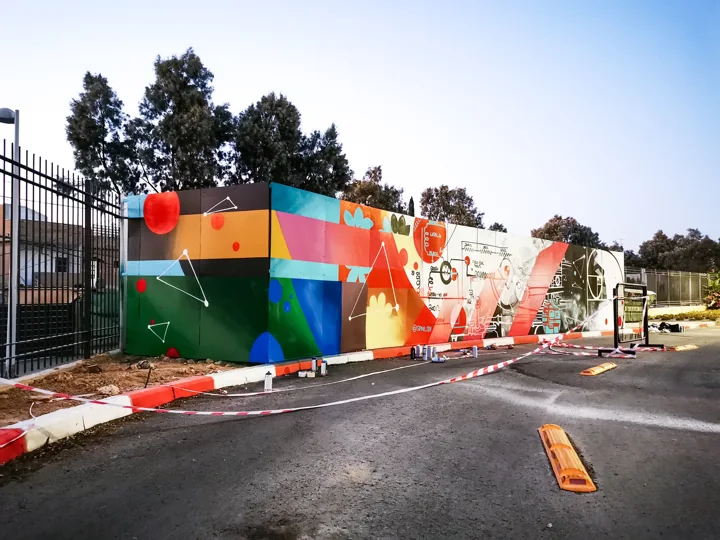
SCE · campus mural
02 / A work at scale
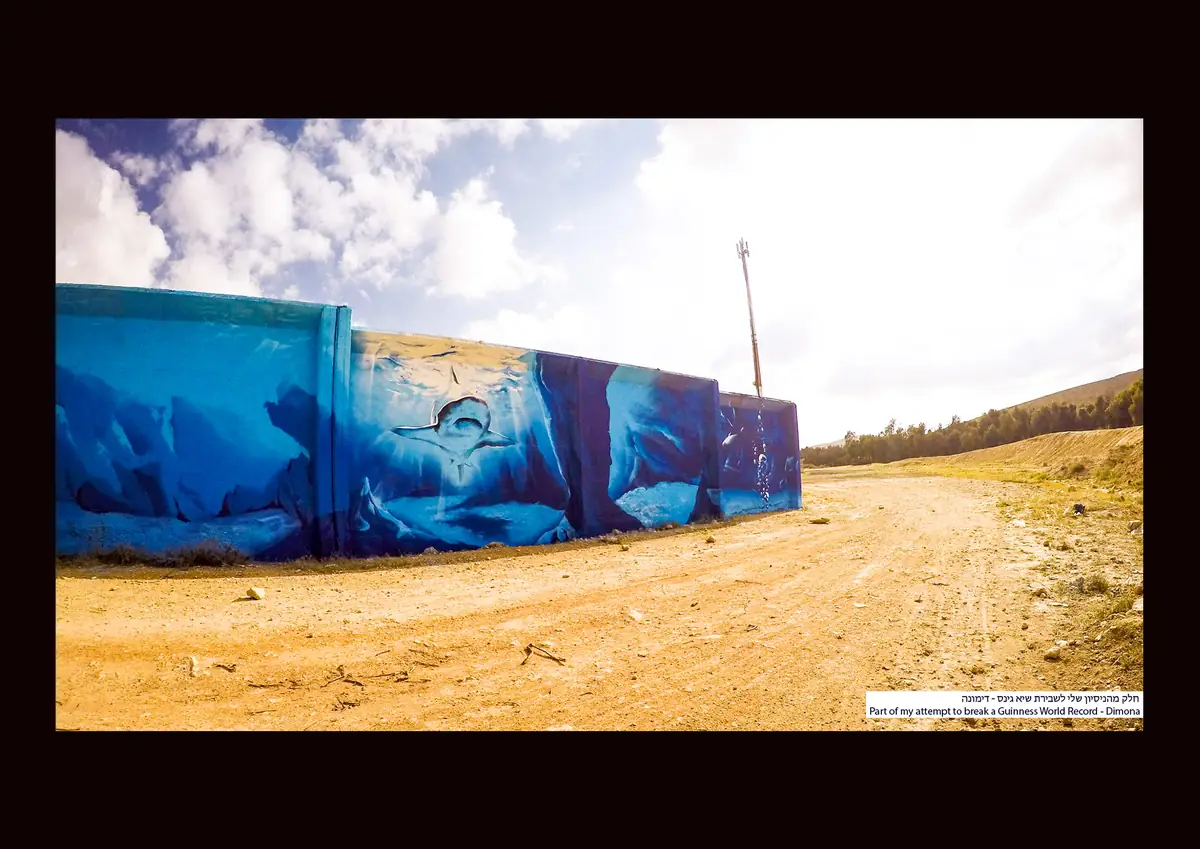
Largest spray paint mural
by one artist.
A continuous painted landscape around a football stadium in Dimona. Completed in 2016 and documented by Guinness World Records.
03 / The artist
A hand.
A point of view.
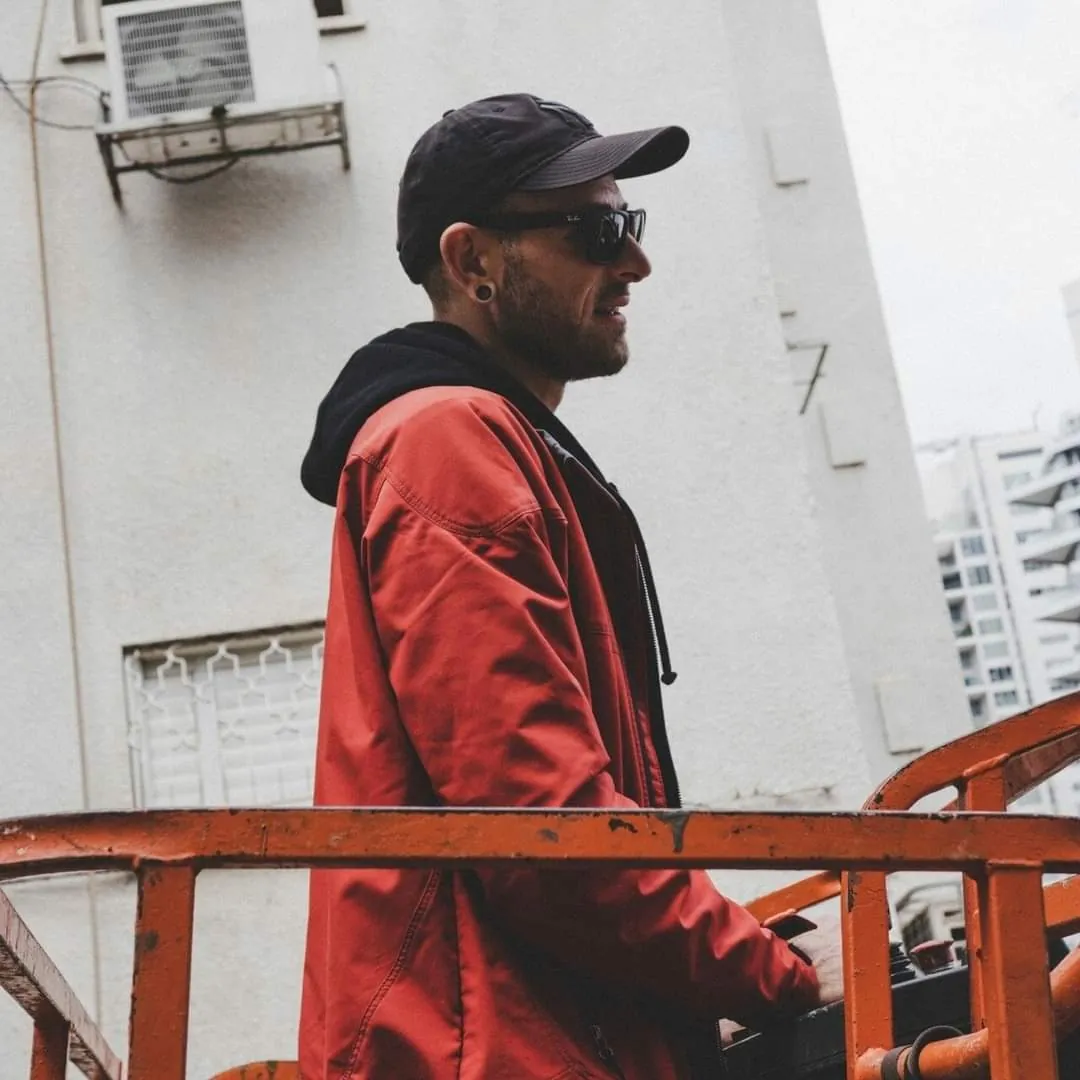
I’m Avi Tal. I work as SPINE B7.
My practice began in graffiti and grew into murals, public art and the making of spaces. I’m interested in what happens when an image becomes part of a place: its scale, its surface, and the people who encounter it.
The painting is one part of the work. Understanding the site and carrying the idea through to the finished surface are part of it too.
For heritage spaces & interiors, Shidrah Studio ↗
In the public eye
Selected coverage
04 / Further work
Closer to the work.
A closer look across the practice.
Select a photograph to enlarge it.
05 / Commissions
Let’s start
with your place.
Have a wall, a building or a place in mind? Tell me a little about it. We can begin with the setting, your hopes for the work and a sense of timing.
contact@shidrahstudio.com ↗+1 303 956 9941 · Rafi Tal, US projects
Based in Israel · International enquiries welcome
What happens after an enquiry?
We discuss the site, the artistic brief and the practical scope before developing a proposal. Surface, access, schedule and budget all shape what is possible.
What kinds of projects can we discuss?
Public and private murals, building façades, complex painted surfaces, and art for civic, cultural and commercial places. Heritage spaces and interiors are developed through Shidrah Studio ↗.